
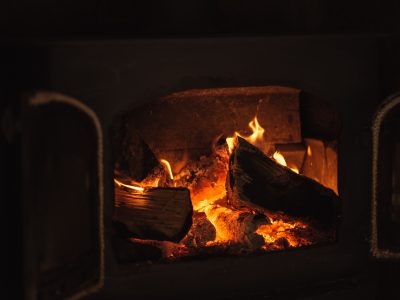
There are plenty of jobs around the house that are perfectly reasonable to tackle yourself. Painting a bedroom? Go for it. Clearing out the gutters? Possibly, provided you’re comfortable working at height and have the right equipment. Giving the fireplace a quick tidy? Absolutely.
Cleaning the inside of your chimney, however, is a different matter.
It might look like a straightforward job. Buy a chimney brush, attach a few rods, give the flue a good scrub and sweep up the mess afterwards. How difficult can it be?
Quite a bit more difficult than you might think.
A chimney does far more than carry smoke out of your living room. It needs to draw correctly, allow combustion gases to escape and remain in suitable condition for the appliance or fire connected to it. A build-up of soot, tar-like deposits, hidden damage or an obstruction can turn an apparently simple cleaning job into a genuine safety concern.
And while cleaning your own chimney might seem like an easy way to save a little money, there are some very good reasons to leave it to someone who knows what they’re doing.
1. You Might Not Remove All the Dangerous Deposits
One of the main reasons to have your chimney cleaned professionally is that not all deposits are the same.
Burning wood, coal and other solid fuels produces soot and other combustion by-products. Depending on the fuel, appliance, burning conditions and maintenance history, deposits can accumulate along the inside of the flue.
Some are relatively loose and easy to remove. Others can be much more stubborn.
Wood-burning appliances, for example, can produce tar-like deposits commonly associated with creosote. These can adhere to the inside of the chimney and may be difficult to remove with basic equipment. Some deposits can be highly combustible, increasing the risk of a chimney fire.
A brush bought from a DIY shop might shift loose soot, but that doesn’t necessarily mean you’ve removed everything that matters.
A professional chimney sweep can assess the type and condition of the deposits and use suitable equipment and methods for the chimney in question. If particularly stubborn deposits are present, they can advise whether additional treatment or investigation is needed.
It’s the difference between making the fireplace look clean and ensuring the flue has received the attention it needs.
2. Chimney Sweeping Is About More Than Brushing Away Soot
It’s easy to assume that the entire job involves scrubbing the inside of the chimney until the black stuff stops falling down.
In reality, a professional visit can involve much more than that.
A competent sweep will consider the condition of the fireplace or appliance, the accessible parts of the chimney and any signs that something might not be working as it should. They may notice evidence of an obstruction, unusual deposits, deterioration or other concerns that warrant further investigation.
For example, perhaps your fire has been producing more smoke than usual. Maybe the chimney seems to draw poorly, or you’ve noticed an unpleasant smell when the fireplace isn’t being used.
These symptoms shouldn’t automatically be blamed on soot alone.
An obstruction, a ventilation problem or damage within the flue could be contributing to the issue. Simply pushing a brush up and down the chimney won’t necessarily identify the underlying cause.
A professional can explain what they’ve found and recommend appropriate next steps, including further inspection where necessary.
That knowledge is particularly valuable if you haven’t had your chimney cleaned for some time or you’ve recently moved into a property with an existing fireplace.
3. You Could Miss a Dangerous Chimney Blockage
Chimneys aren’t always blocked by soot.
Birds can build nests inside chimney pots, particularly during nesting season. Twigs, leaves and other nesting materials can fall into the flue, while debris from deteriorating masonry can also cause problems.
In some cases, the obstruction may be several feet above the fireplace, completely out of sight.
If you’re cleaning the chimney yourself, you might remove the material you can see without realising that a much larger blockage remains further up.
That’s a serious concern because a blocked flue can prevent smoke and combustion gases from escaping properly. Carbon monoxide, which is colourless and odourless, can be produced by fuel-burning appliances and fires. If combustion gases enter the home, the consequences can be life-threatening.
Never assume that a chimney is clear simply because you can see daylight through it or because the fireplace looks tidy.
If you notice twigs, feathers, unusual debris or signs of nesting, don’t light the fire to test whether the chimney is working. Arrange for it to be assessed by a suitable professional first. Any nest containing active birds must also be dealt with in accordance with applicable wildlife protections.
4. The Right Equipment Makes a Difference

Walk into a DIY shop and you’ll find chimney brushes, flexible rods and various cleaning accessories. That doesn’t mean they’re automatically suitable for your particular chimney.
Different flues and appliances require different approaches. A brush that is appropriate for one chimney may be unsuitable for another, potentially damaging a liner or failing to clean the flue effectively.
There is also the practical question of access.
Depending on the property and chimney design, a sweep may need to work from the fireplace, use specialist equipment or investigate areas that cannot be reached with a basic household kit.
Professional equipment helps a trained sweep work more effectively while managing the mess that chimney cleaning can create.
That last point is worth remembering, too. Soot is exceptionally good at getting everywhere. A poorly prepared DIY attempt can leave black dust across carpets, furniture, curtains and clothing, even if you thought you’d sealed the fireplace properly.
A professional will generally take precautions to protect the surrounding area and contain the debris produced during the work.
You get a cleaner home, a more appropriate approach to the chimney and considerably less chance of spending your afternoon scrubbing soot out of the carpet.
5. You Could Damage the Chimney Without Realising
A chimney might look solid from the outside, but its internal components can be vulnerable to damage.
Depending on the property, the flue may contain a metal liner, clay liner or other materials that need to be treated appropriately. Older chimneys may also have deteriorated mortar joints, damaged masonry or other defects that aren’t immediately obvious.
Using the wrong brush, applying excessive force or attempting to dislodge stubborn material without understanding the construction can cause damage or make an existing problem worse.
For instance, if a liner is already cracked or deteriorating, aggressive cleaning methods could potentially worsen its condition.
A professional sweep should select appropriate equipment for the flue and be alert to visible signs of damage. If a more detailed assessment is needed, they can recommend a specialist inspection, potentially including a CCTV examination where suitable.
It’s important to understand that sweeping alone cannot guarantee that every hidden defect will be identified. However, having someone experienced assess the accessible parts of your chimney is a sensible step towards spotting problems before they become more expensive to address.
6. Working at Height Introduces Another Risk
Some chimney cleaning methods require access to the roof or chimney stack.
If you’ve ever climbed a ladder to clean a gutter, you’ll know that even relatively straightforward work can become risky when you’re several feet above the ground. Roofs add further complications, particularly when they’re steep, wet, fragile or covered in moss.
Chimney sweeping from above can involve carrying equipment, maintaining balance and working around awkward roof features.
A slip or fall can cause serious injuries. Attempting the job without appropriate training, equipment and precautions simply isn’t worth the risk.
Not every chimney needs to be accessed from the roof, and professional sweeps may use methods that allow the work to be carried out from inside the property. The correct approach depends on the chimney and the circumstances.
The key point is that you shouldn’t assume you need to climb onto the roof just because you’ve decided to clean the chimney yourself.
If the job requires access that you cannot manage safely, leave it to someone equipped to handle it.
7. You Might Not Recognise the Warning Signs of a Chimney Fire
A chimney fire doesn’t always begin with a dramatic wall of flames shooting out of the chimney pot.
Sometimes, the warning signs are less obvious. You might hear a loud roaring or rushing sound, notice unusual sparks or flames coming from the top of the chimney, or see dense smoke.
In other situations, a chimney fire can go unnoticed while temperatures inside the flue become dangerously high.
Combustible deposits inside the chimney can ignite when exposed to sufficient heat. Once burning, they can generate temperatures capable of damaging chimney components and potentially spreading fire to surrounding parts of the building.
A professional sweep can help reduce the risk by removing appropriate deposits and identifying concerns that may need attention. Regular sweeping is an important part of chimney maintenance, but it cannot eliminate every risk of fire.
If you suspect a chimney fire, get everyone out of danger, call 999 and follow the emergency operator’s instructions. Do not attempt to tackle the fire yourself or resume using the chimney until it has been professionally assessed.
It’s far better to prevent problems through sensible maintenance than to discover the importance of chimney care in an emergency.
8. Poor Chimney Draw Could Be a Symptom of Something Bigger
Have you ever lit a fire only to find smoke drifting into the room instead of disappearing up the chimney?
It’s unpleasant, but it can also indicate that something isn’t right.
Poor chimney draw can have several causes, including an obstruction, inadequate air supply, adverse weather conditions, a cold flue or problems with the chimney’s design. The cause isn’t always obvious from the fireplace.
Cleaning may resolve the issue if deposits are contributing to the problem. However, if the underlying cause is something else, sweeping alone may not be enough.
A professional can look for signs of an obstruction or other visible issues and advise whether additional checks are required.
This is particularly useful if you’ve noticed a change in how your fire behaves. A fireplace that previously worked well but has suddenly started smoking into the room deserves investigation rather than repeated attempts to get it going.
Never ignore persistent smoke problems or assume that opening a window will solve everything. Stop using the appliance if you suspect unsafe operation and arrange an appropriate assessment.
9. Professional Sweeping Helps You Keep on Top of Maintenance
When was the last time your chimney was swept?
If you can’t remember, you’re certainly not alone. Chimney maintenance is easy to forget, especially during the warmer months when the fireplace isn’t being used.
The trouble is that deposits don’t disappear just because the weather improves.
The appropriate sweeping frequency depends on factors such as the fuel used, how often the appliance operates and the condition of the chimney. Solid-fuel appliances generally need regular attention, while the recommendations for other fuels can differ.
HETAS and other relevant industry guidance can help homeowners understand the maintenance requirements associated with their particular appliance and fuel.
Rather than guessing, ask a qualified sweep how often your chimney should be cleaned and follow the appliance manufacturer’s instructions and applicable guidance.
Keeping a record of your appointments can also help you stay organised, particularly if you have several fireplaces or a property with multiple flues.
A professional visit gives you an opportunity to address routine maintenance before deposits accumulate excessively or a minor concern becomes a more significant problem.
10. You’ll Have a Better Idea of Your Chimney’s Condition
One of the biggest advantages of hiring a professional is having someone experienced assess what they can see while carrying out the work.
Perhaps your chimney has been in regular use for years. Perhaps you’ve just bought a Victorian terrace and have no idea when the fireplace was last used. Or maybe you’ve recently installed a wood-burning stove and want to establish a sensible maintenance routine.
In each situation, knowing more about the chimney’s condition is useful.
A sweep may notice deteriorating mortar, signs of moisture, unusual deposits or evidence of an obstruction. They can explain which observations need further attention and whether a more detailed inspection would be appropriate.
Where internal damage is suspected, a CCTV chimney inspection may help provide a closer view of the flue. This can be particularly helpful when the condition of the liner is uncertain or the chimney has a history of problems.
Of course, a routine sweep isn’t the same as a full structural survey or specialist inspection. A professional should be clear about the scope of their work and recommend further investigation where necessary.
That distinction matters because it helps you make informed decisions instead of assuming that a chimney is completely sound simply because it has been cleaned.
11. DIY Cleaning Might Not Save You as Much Money as You Think
One of the most common reasons people consider cleaning their own chimney is cost.
At first glance, buying a brush and a set of rods seems cheaper than booking a professional appointment. And if you already own the equipment, it might appear to be an easy way to save money.
But the initial price of the tools isn’t the whole story.
You need to consider whether the equipment is appropriate for your flue, whether you can use it safely, how effectively you can remove the deposits and whether you’ll recognise signs that further work is needed.
You also need to account for the time involved and the potential cost of damage caused by unsuitable equipment or an incomplete clean.
If you miss a significant obstruction or fail to remove dangerous deposits, the money you saved could seem rather insignificant compared with the consequences.
A professional service isn’t simply paying someone to push a brush through a tube. You’re paying for the appropriate equipment, practical experience and a methodical approach to the job.
For many homeowners, that’s money well spent.
12. Choosing a Local Chimney Sweep Makes Maintenance Easier
If you’re based in the West Midlands, finding a reputable local professional can make it easier to keep your chimney in good condition year after year.
For example, if you’re looking for a chimney sweep Wolverhampton, it’s worth choosing a service that understands the needs of local homeowners and can explain what your particular fireplace or appliance requires.
Ask about the sweep’s experience, training, insurance and the type of chimneys they work with. If you have a wood-burning stove, for instance, make sure they are familiar with the relevant requirements for your appliance and flue.
It is also sensible to ask what the appointment includes. Will the sweep protect the surrounding area? Will they explain any problems they find? Can they advise you if the chimney needs further investigation?
These questions help you understand what you’re paying for and what to expect from the visit.
A good professional won’t simply rush through the job and leave you wondering whether everything is safe to use.
They should be able to explain their findings in plain English and tell you when something needs further attention.
13. What Should You Expect From a Professional Chimney Sweep?

If you’ve never booked a sweep before, the process is usually much less complicated than you might imagine.
Before the appointment, you’ll generally be asked about the type of fireplace or appliance you have, how frequently you use it and whether you’ve noticed any problems.
The sweep can then determine the appropriate approach and explain any preparations you need to make. You may be asked to ensure the appliance is completely cold and that the surrounding area is accessible.
During the visit, the sweep will typically protect the working area, use suitable equipment to remove deposits and check for relevant signs of problems within the scope of the service.
Depending on the circumstances, further checks may be recommended if an obstruction, damaged liner or other defect is suspected.
Afterwards, you should have a clearer understanding of what has been done and whether anything requires attention.
If you have questions about unusual smells, poor draw, fuel choice or how frequently the chimney needs sweeping, the appointment is also a good opportunity to ask.
The aim is not just to leave the fireplace looking tidy. It’s to help you maintain it properly and understand any limitations or concerns that have been identified.
How to Find the Right Chimney Cleaning Service
Not all homeowners have the same requirements, so it’s worth choosing a service that suits your property and appliance.
If you’re searching for a chimney sweep West Midlands, look for a professional who can explain their qualifications, experience and approach to the type of chimney you have.
For solid-fuel appliances, check whether the sweep has relevant training or registration with an appropriate industry body, such as the National Association of Chimney Sweeps (NACS) or the Guild of Master Chimney Sweeps. You should also check what insurance they hold and whether their service meets your needs.
Be cautious of anyone who promises to guarantee that a chimney is completely safe based on a quick brush-through alone. Cleaning is an important part of maintenance, but it cannot rule out every hidden defect or eliminate all risks.
If a chimney needs a CCTV inspection, repairs or another specialist assessment, you want a professional who will explain that clearly rather than pretending a standard sweep can resolve every possible issue.
Whether you’re looking for a professional chimney sweep service for a traditional open fire or a modern wood-burning stove, choosing someone with the right experience can make all the difference.
Keep Your Chimney Clean Without Taking Unnecessary Risks
There is a reason chimney sweeping has remained an important part of household maintenance for generations.
A chimney needs to be kept clear of harmful deposits and obstructions so that smoke and combustion gases can escape as intended. It also needs to be maintained in suitable condition for the fireplace or appliance connected to it.
Trying to do the job yourself might appear straightforward, but there is more to it than removing a bit of soot.
You could leave dangerous deposits behind, miss an obstruction, damage the flue or put yourself at risk by working at height. You might also fail to recognise a problem that needs specialist attention.
A reputable professional can use appropriate equipment, assess the accessible parts of your chimney and explain when further investigation is needed.
And while no maintenance routine can remove every possible hazard, regular professional sweeping is a sensible way to help keep your fireplace in good working order.
If you’ve been putting off booking a chimney cleaning service UK homeowners can rely on, don’t wait until smoke starts entering the room or your fire refuses to draw properly.
Get your chimney checked, follow the maintenance recommendations for your appliance and arrange sweeping at suitable intervals.
Your fireplace should be something you enjoy using, not another household problem waiting to happen.
Leave the chimney sweeping to someone with the right equipment and experience. Your home, your health and your peace of mind are worth it.
 Twigs in the Fireplace? Why You Shouldn’t Just Throw Them Back